
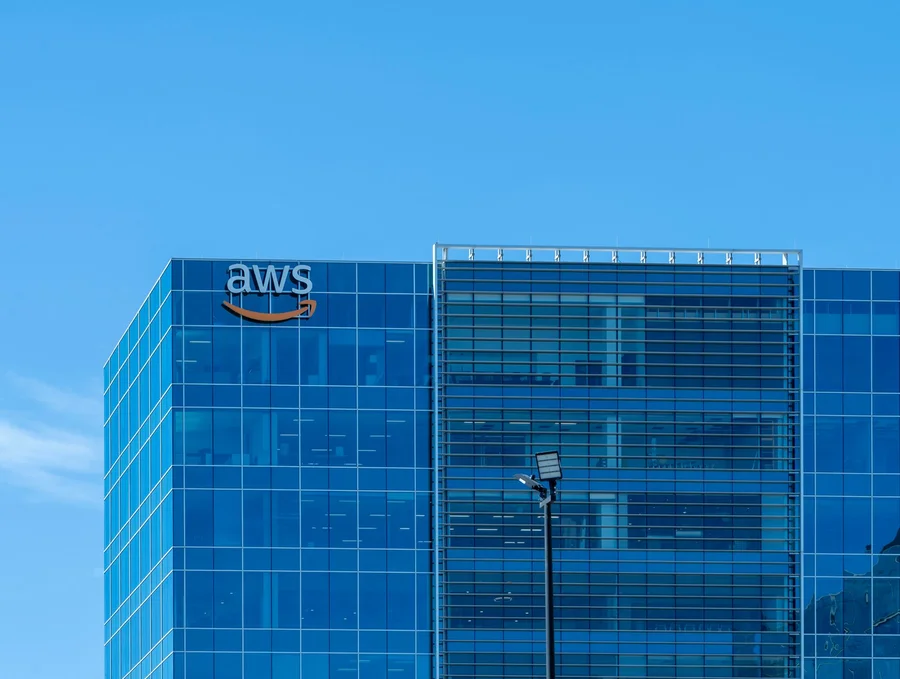
You may see longer windows with Amazon deliveries or temporary pauses for Amazon orders in the UAE as the company reports drone strikes have disrupted some data centers and logistics hubs. Expect delays across the UAE and nearby Gulf states while Amazon works to restore power, connectivity, and fulfillment operations.
This post explains how these strikes have affected cloud services and local warehouses, what that means for your orders, and the wider supply-chain and regional-security implications you should watch.
Impact of Amazon Deliveries Delayed in UAE Amid Conflicts With Iran
Expect interruptions to deliveries, paused local fulfillment, and cloud-service outages that affect order processing, tracking, and seller logistics across the Emirates.
Current Delivery Disruptions in the UAE
You will see paused deliveries and a closed Abu Dhabi fulfilment center after drone strikes affected AWS and warehouse operations. Amazon suspended deliveries across Abu Dhabi and instructed some staff to remain off-site or indoors, which reduces available drivers and warehouse throughput.
Order tracking may show delays or “processing” statuses longer than usual because connectivity and power disruptions at AWS data centers hinder backend systems. Some time-sensitive items, especially cross-border shipments from Gulf hubs, face longer lead times as routing and customs coordination slow down.
Affected Regions and Areas
The primary disruption centers on Abu Dhabi, where a fulfilment center closed and deliveries were suspended. AWS data center incidents also occurred in the UAE and Bahrain, causing broader regional cloud-service instability that can ripple into operations in Dubai, Sharjah, and nearby Gulf logistics hubs.
Cross-border movement between the UAE and neighboring Gulf states may be disrupted because many sellers rely on regional fulfilment networks and cross-border shipping corridors. If you ship to or from smaller emirates, expect uneven service: some local couriers may still operate, while Amazon-backed routes remain constrained.
Customer and Seller Reactions
Customers report delayed arrival windows, canceled same-day or next-day delivery options, and intermittent tracking updates. You may need to contact customer support for refunds, re-ships, or to confirm whether an order remains en route. Expect higher call volumes and longer wait times.
Sellers dependent on Amazon’s fulfillment and AWS services face inventory backlog, listing sync issues, and disrupted cross-border shipments. If you sell in the Gulf, consider updating listings with extended lead times, temporarily pausing time-sensitive promotions, and communicating directly with buyers about expected delays to reduce cancellations and disputes.
Causes and Broader Implications of Delivery Delays
You should expect disruptions driven by diplomatic tensions, maritime risks, and knock-on effects across warehousing, routing, and delivery performance. These pressures affect transit times, inventory costs, and seller metrics on Amazon in the UAE.
Role of Iran-UAE Tensions
Tensions increase the risk for vessels and air cargo transiting Persian Gulf routes you rely on. Shipping companies may reroute around the Strait of Hormuz or apply security surcharges, which raises transit times and freight costs for goods coming from Europe, India, and East Asia.
Insurance premiums and regulatory checks rise during incidents, forcing freight forwarders to seek alternative carriers or add buffer days to ETAs. If authorities restrict ports or airspace, you’ll see immediate delays for inbound shipments and harder-to-find contingency capacity.
Logistical and Supply Chain Challenges
Port congestion and container shortages compound geopolitical disruptions you face. When vessels divert or slow, containers pile up at hubs like Jebel Ali, creating berth delays and longer dwell times that ripple through trucking and last-mile schedules.
Labor availability at sorting centers and warehouses also affects throughput. You may notice longer processing times for FBA inbound shipments and higher chances of split shipments or partial fulfillment as carriers prioritize critical freight and high-margin accounts.
Short-Term and Long-Term Effects on E-Commerce
In the short term, you’ll encounter later ETAs, higher shipping fees, and more frequent inventory stockouts for popular SKUs. Sellers dependent on just-in-time restocking will see greater risk to Buy Box eligibility and elevated advertising spend to maintain sales.
Over the long term, expect structural shifts: more diversification of sourcing, increased safety stock levels, and renegotiated supplier lead times. You may pay higher baseline fulfillment costs, and platforms like Amazon may tighten performance windows, forcing you to adapt inventory strategies and pricing to protect margins.